
- COMMERCIAL GARAGE DOOR REPAIR
- GARAGE DOOR OPENER INSTALLATION
- GARAGE DOOR SPRING REPAIR
- SAME-DAY GARAGE DOOR REPAIR
- CUSTOM GARAGE DOOR
- GARAGE DOOR OPENER REPAIR
- GARAGE DOOR TRACK REPAIR
- GARAGE DOOR CABLE REPAIR
- GARAGE DOOR PANEL REPAIR
- LOCAL GARAGE DOOR REPAIR
- GARAGE DOOR REPLACEMENT
- NOISY GARAGE DOOR FIX
- GATE REPAIR
- GARAGE DOOR INSTALLATION
- GARAGE DOOR SECTION REPLACEMENT
- OVERHEAD GARAGE DOOR REPAIR
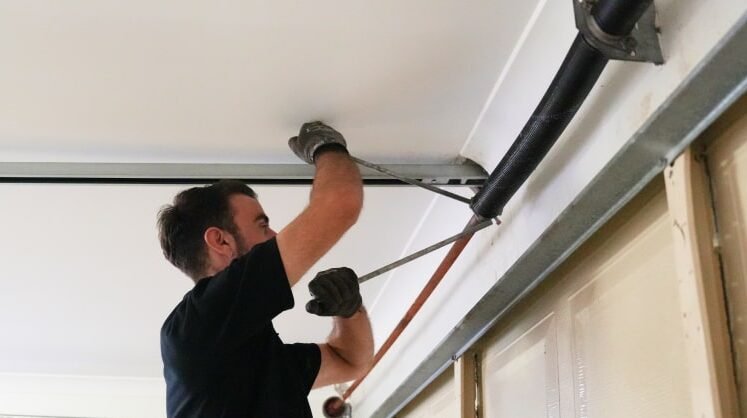
5 Signs You Are Overdue for a Garage Door Spring Replacement
Ignoring the health of your garage door components often leads to a sudden, loud, and dangerous mechanical failure. Most homeowners wait until the door refuses to budge before they even consider a garage door spring replacement, but your system usually sends out warning signals long before the final snap.
At Mariner Garage Door Repair, we know these springs endure immense torque every time you hit the remote, and like any high-tension metal part, they possess a finite lifespan. Recognizing the early symptoms of metal fatigue can save you from a trapped car, a broken opener motor, or a serious injury.
Visible Gaps and Physical Wear
The most obvious sign that your spring has reached its limit is a physical break. Torsion springs sit on a metal shaft above the door, while extension springs run along the upper tracks. If you look up and see a two-inch gap in the middle of the coil, the spring has already failed. However, you should also look for “pre-break” indicators like heavy rusting or “bleeding.” When the individual coils rub together without lubrication, they create a fine, reddish-brown dust. This friction weakens the steel over time, making a snap inevitable during the next cold snap or heavy use cycle.
Excessive Noise During Operation
A healthy garage door should operate with a consistent, rhythmic sound. If your door begins to emit ear-piercing squeaks, groans, or a distinct “boing” sound as it moves, your springs are likely struggling to hold their tension.
Squeaking: Often indicates that the metal has become brittle and dry.
Straining: If the motor sounds like it is lifting a mountain, the springs are no longer providing the necessary counterbalance.
Bang Sounds: A loud “gunshot” sound from the garage usually means a spring has just snapped, even if the door is currently closed.
The Door Feels Heavy or Imbalanced
You can easily test the strength of your springs by performing a balance check. Disconnect the opener by pulling the red emergency release cord and attempt to lift the door halfway by hand. A well-maintained system allows you to lift the door with just one hand, and it should stay in place once you let go. If the door feels like a dead weight or slams back down to the floor immediately, your springs have lost their tension. This imbalance puts massive strain on your garage door opener, which can lead to a much more expensive motor repair if you don’t act quickly.
Why Preventive Action Beats Emergency Repair
Waiting for a total collapse puts your family and property at risk. A falling garage door can crush anything in its path. A snapping spring can send metal shards flying across the room. Proactive maintenance puts you in control of the timing. You decide the schedule rather than a mechanical failure. By replacing springs early, you protect your tracks, rollers, and cables. This keeps the entire system safe for years to come.
Do not gamble with the safety of your home’s largest moving object. If your door shows warning signs, prioritize a professional spring replacement. This restores your balance and security. Trust the experienced technicians at Mariner Garage Door Repair for fast, expert service. We use high-quality parts to get the job done right.